
Big Food Engineered ‘Public Health Crisis,’ San Francisco Says In Lawsuit Targeting Ultraprocessed Food
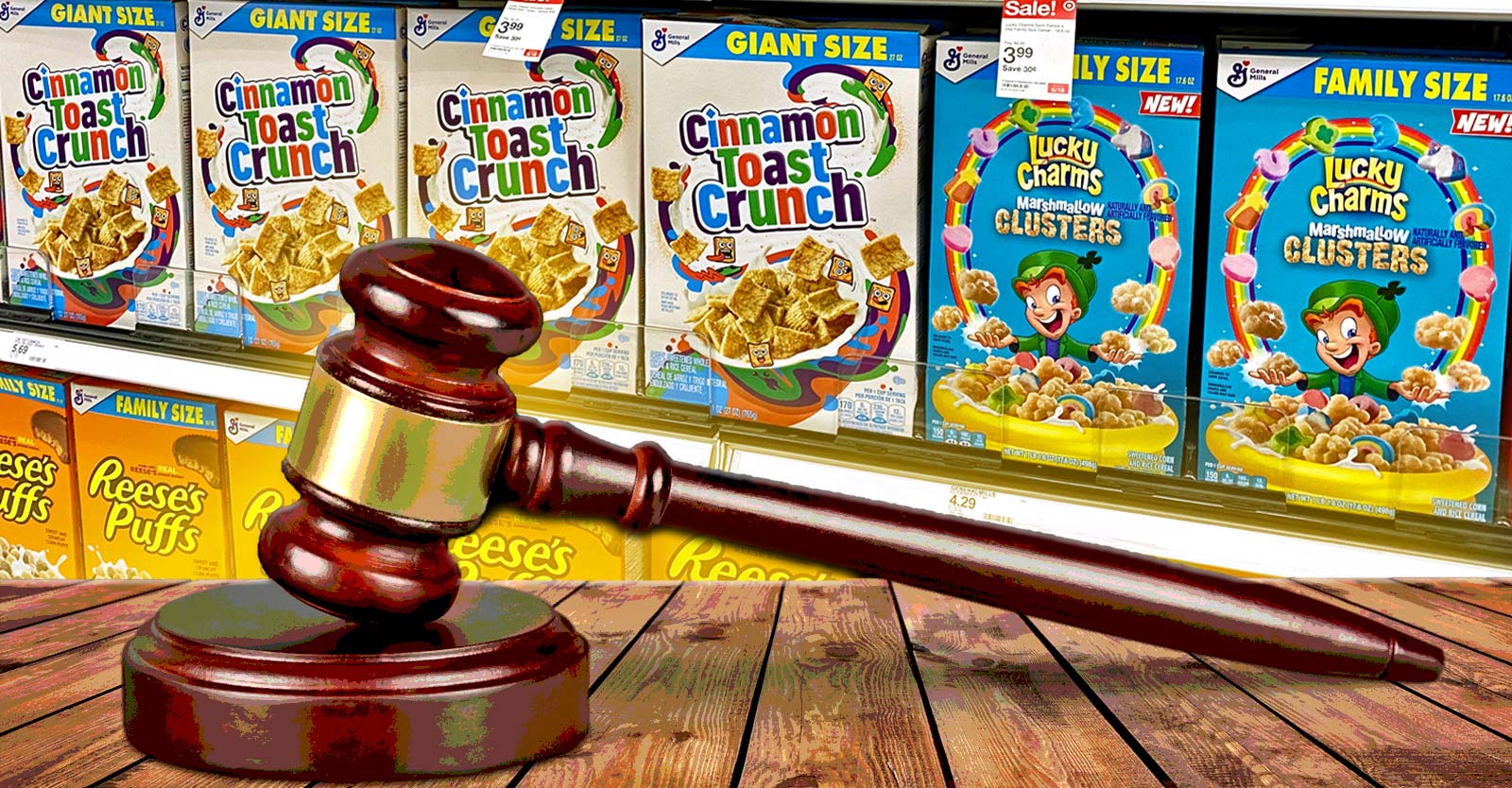

San Francisco City Attorney David Chiu on Tuesday sued 11 of the country’s largest manufacturers of ultraprocessed foods, alleging they knowingly designed and marketed addictive products that are “making us sick, plain and simple.”
The complaint, filed in the Superior Court of California in and for the City and County of San Francisco on behalf of the “People of the State of California,” targets Kraft Heinz, Mondelēz International, Post Holdings, Coca-Cola, PepsiCo, General Mills, Nestlé USA, Mars, ConAgra, Kellanova and WK Kellogg.
It claims the food giants engaged in “unfair and deceptive” acts — including engineering ingredients and additives to be “harmful” and “addictive” — and then flooded consumers, especially children, with aggressive marketing.
“They knew their products make people very sick,” Chiu said in a press conference Tuesday, calling the case a direct parallel to “the Big Tobacco playbook” of denial, manipulation and profit. Companies “created a public health crisis” by making food that was “unrecognizable and harmful to the human body,” he said in a statement.
Attorney Ray Flores told The Defender he was encouraged by the lawsuit. “I applaud the city attorney for trying to make a difference” by addressing growing concerns over ultraprocessed foods, he said.
Still, he questioned the case’s legal strength, noting that California’s Unfair Competition Law — the basis of the complaint — “usually requires alleging a violation of a specific law. I don’t see the complaint making strong enough claims.”
The unfair competition code prohibits unlawful, unfair or fraudulent business practices and misleading advertising.
In December 2024, a teenager from Warrington, Pennsylvania, sued 11 Big Food manufacturers, alleging ultraprocessed foods engineered to be as addictive as cigarettes caused him to develop fatty liver disease, Type 2 diabetes and other health problems. The suit was dismissed in August 2025.
‘Enormous’ cost of ultraprocessed foods
Chiu said ultraprocessed foods impose “enormous” cost and health burdens. He pointed to Centers for Disease Control and Prevention data showing that roughly 62% of children’s calories and 53% of adults’ calories come from ultraprocessed foods.
Kids ages 6-11 consume the most ultraprocessed foods (65%), including sweet bakery items, savory snacks, pizza, sugary drinks and fast-food-style sandwiches.
The lawsuit cites a growing body of research, including studies showing that higher consumption of ultraprocessed foods increases the risk of obesity, Type 2 diabetes, cardiovascular disease, reduced muscle mass, endocrine disruption and elevated mortality.
According to Chui, sodium and sugar, and “thousands of new chemicals” created and combined during processing, are damaging to human health.
“The body metabolizes and craves [these chemicals] differently and they are designed to be addictive,” Chiu said at the press conference.
Unhealthy foods falsely marketed as healthy
Chiu also accused the food giants of deploying Big Tobacco marketing tactics — including cartoon mascots, cross-promotion with Disney and Nickelodeon, and advertising targeted at low-income communities of color.
The food industry has revived tactics long associated with Big Tobacco — building front groups, questioning research that shows their products cause harm and reframing the public debate. Through campaigns like Americans for Ingredient Transparency and the Good to Know Transparency Initiative, major brands portray themselves as advocates for consumer awareness.
But critics argue that these campaigns often serve mainly to reassure consumers about controversial ingredients, even when decades of independent research have linked those ingredients to health risks.
Industry groups pushed back on the lawsuit’s claims. The Consumer Brands Association said manufacturers are already improving nutrition — adding protein and fiber, cutting sugar and sodium, and removing synthetic color additives, The Washington Post reported.
Sarah Gallo, the association’s senior vice president of product policy, warned against “demonizing” foods, according to the Post, which added that individual companies declined to comment.
San Francisco seeks an injunction to halt deceptive marketing, force corrective action, and recover restitution and civil penalties to offset what it describes as astronomical public-health costs, according to the lawsuit.
Ultraprocessed foods facing intensified national scrutiny
U.S. Health Secretary Robert F. Kennedy Jr. has called the U.S. food supply “mass poisoning,” the Post reported. His Make America Healthy Again (MAHA) Commission recently identified ultraprocessed foods as a prime driver of soaring childhood chronic disease.
“Today’s children are the sickest generation in American history,” the May “MAHA Report” stated, noting that more than 40% of Americans live with at least one chronic condition. Among the recommendations in its “Strategy Report”: ban petroleum-based food dyes, strengthen oversight of additives and rewrite federal dietary guidelines.
States are moving to make changes, too. California Gov. Gavin Newsom signed a bipartisan bill defining ultraprocessed foods and initiating a phase-out of the “most concerning” products from school meals.
Lawmakers in dozens of states have introduced 90 bills this year to ban food dyes, additives or ultraprocessed foods.
San Francisco officials framed the city’s new lawsuit as both a consumer protection and a moral imperative. “San Francisco families deserve to know what’s in their food,” Mayor Daniel Lurie said in a statement. “We’re not going to let our residents be misled.”
Daniel Tsai, the city’s health director, called ultraprocessed foods “engineered to be addictive” and said the case is “a critical step toward protecting the health of our communities.”
This is not about consumers simply “making better choices,” Chiu added. “Americans want to avoid ultraprocessed foods, but are inundated by them. These companies engineered a public health crisis, they profited handsomely, and now they need to take responsibility for the harm they have caused.”
Related articles in The Defender
- RFK Jr.: MAHA Report a ‘Clarion Call’ to End the Chronic Disease Epidemic
- Ultraprocessed Foods Make Up Over Half of Kids’ Diet, CDC Report Says
- Big Food Uses Tobacco-Style Playbook to Block New Food Safety Laws
- The MAHA Commission’s Blueprint to End Childhood Chronic Disease
- Kids Exposed to Chemicals in Ultraprocessed Foods May Develop Lifelong Cravings for Junk Food

Jill Erzen
Jill Erzen is associate editor for The Defender. She earned her B.A. in journalism and English at the University of Iowa. She has 25 years of experience as a copy editor, copy desk chief and multimedia web editor for newspapers and online news publications. Jill lives in Iowa with her husband and four daughters. She joined The Defender in June 2025.